Conditions · New City & Middletown, NY
Trauma and PTSD treatment
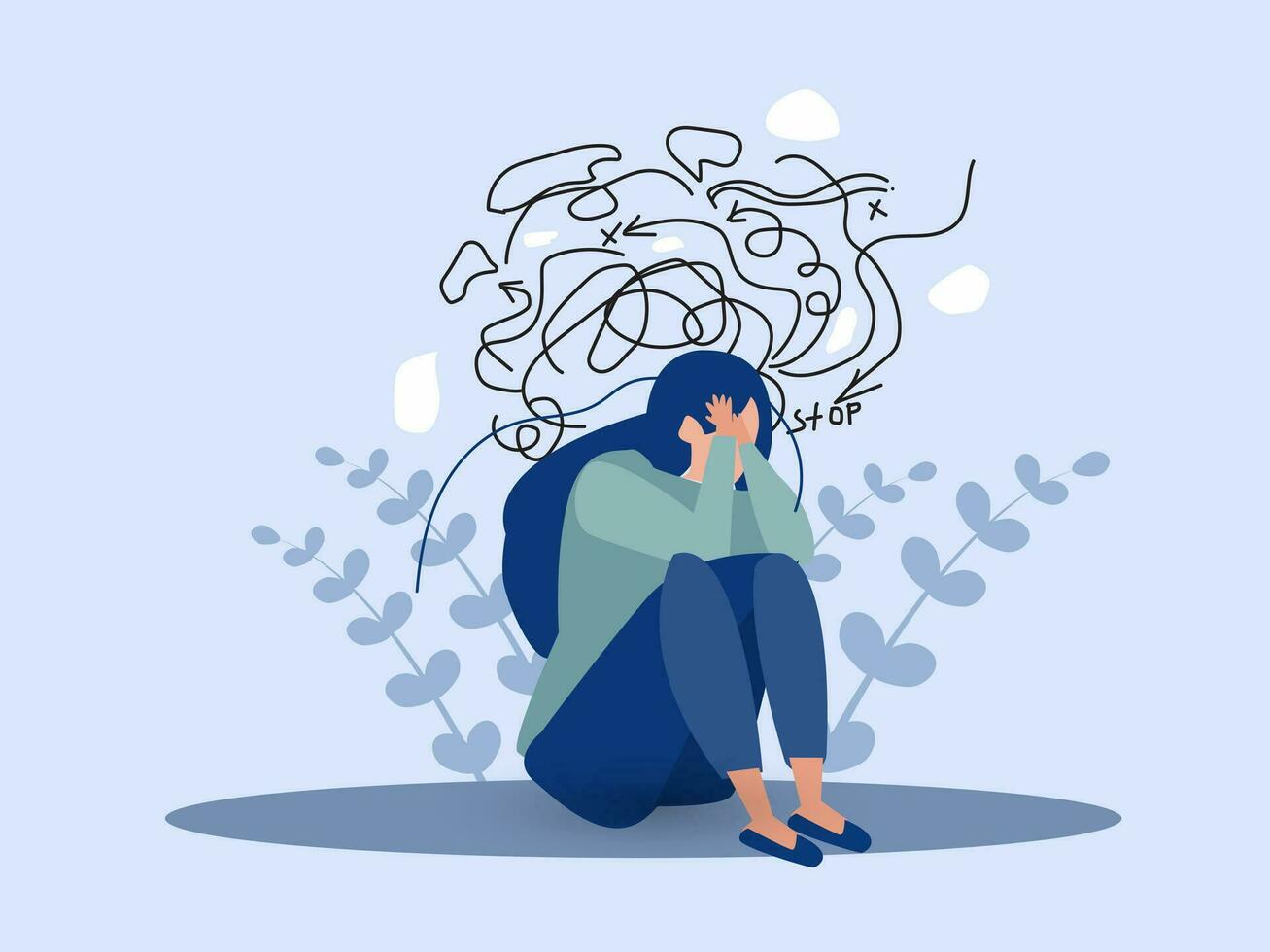
PTSD treatment in Rockland County and Orange County should be steady, unhurried and on your terms. At Healing Mindz, board-certified psychiatrists and nurse practitioners use treatments with the strongest evidence — trauma-focused therapy and medication — and help with the sleep problems and nightmares that often come with trauma.
- Board-certified psychiatrists
- FDA-cleared TMS
- Most insurance accepted
- Evening & Saturday hours
- Two NY offices
How PTSD presents
Most people go through at least one traumatic event — an assault, a serious accident, combat, a disaster, the sudden loss of someone close. The VA's National Center for PTSD explains that it is normal to have upsetting memories, feel on edge or have trouble sleeping afterward. When those reactions last more than a month and disrupt daily life, it may be PTSD. Symptoms fall into four groups:
- Reliving the event: unwanted memories, nightmares, or flashbacks that feel as if it is happening again
- Avoidance: staying away from places, people, conversations or thoughts that remind you of what happened
- Negative changes in thinking and mood: guilt, shame, numbness, losing interest in things, or feeling the world is completely dangerous
- Feeling keyed up (hyperarousal): being jumpy, always on guard, irritable, unable to concentrate or sleep
Trauma can also show up as depression, panic, heavy drinking or chronic pain. Childhood trauma and repeated trauma can affect relationships and self-image in ways that take longer to work through.
Symptoms sometimes appear months or even years after the event, triggered by a new loss, a retirement, a news story or an anniversary. NIMH notes that PTSD can develop at any age and that not everyone with PTSD went through a dangerous event themselves — learning that a loved one was harmed can be enough. Whatever your story, a delayed reaction is not a sign of weakness, and it is still treatable.
How we evaluate trauma and PTSD
You do not have to tell your whole story at the first visit. During a psychiatric evaluation we ask enough to understand what you are dealing with now — symptoms, sleep, safety, alcohol and substance use, and any past treatment — and you set the pace for the details. We often use the PCL-5, a 20-item checklist developed by the National Center for PTSD, to measure symptoms and follow change over time.
We also look for conditions that often occur with PTSD, especially depression, anxiety and panic, and traumatic brain injury in people with blast or head-injury history.
PTSD treatment options in Rockland County and Orange County
Trauma-focused psychotherapy has the strongest evidence. The VA/DoD and American Psychological Association guidelines both recommend three in particular:
- Cognitive processing therapy (CPT) — learning to examine and change stuck beliefs about the trauma, such as self-blame
- Prolonged exposure (PE) — gradually and safely approaching memories and situations you have been avoiding
- EMDR — eye movement desensitization and reprocessing, which pairs recalling the memory with guided eye movements
Our therapists can provide trauma-informed therapy in New City and Middletown. When a specific protocol such as CPT, PE or EMDR is the best fit and is not available in-house at the time, we refer you to a trained clinician and keep managing your medication here.
Medication. Sertraline and paroxetine are the two medications FDA-approved for PTSD. Venlafaxine and fluoxetine are also commonly used. For trauma-related nightmares, prazosin — originally a blood-pressure medicine — is sometimes prescribed off-label; research results have been mixed, so we discuss the evidence with you first. We generally avoid benzodiazepines for PTSD, as the VA/DoD guideline advises.
What PTSD care looks like over 8–12 weeks
Weeks 1–2: evaluation, PCL-5 baseline, safety planning if needed, and a plan for sleep. If medication is part of the plan, we start at a low dose.
Weeks 3–8: trauma-focused therapy usually runs weekly for about 8 to 16 sessions, according to the National Center for PTSD. It is normal to feel worse briefly when you begin facing memories; we check in more often during this stretch. Medication follow-ups are every two to four weeks.
Weeks 8–12: we repeat the PCL-5 and review what has changed — nightmares, avoidance, startle, sleep. If progress is limited, we adjust medication, try a different therapy approach, or look again at co-occurring depression or substance use.
Sleep, safety and support for families
Poor sleep is one of the most common and exhausting parts of PTSD. Beyond medication, we look at sleep routines, alcohol use (which many people rely on to fall asleep but which worsens nightmares and early waking), and whether insomnia-focused therapy would help. Improving sleep often makes it easier to take part in trauma-focused therapy.
Trauma affects the people around you, too. Partners and family members may feel shut out or walk on eggshells. With your permission, a family member can join part of a visit to learn about PTSD and how to help without pushing. The National Center for PTSD also has guidance written specifically for families. If at any point you are thinking about harming yourself, call or text 988 — veterans can press 1 for the Veterans Crisis Line.
Is TMS used for PTSD?
TMS is not FDA-cleared for PTSD. Its use for PTSD is off-label, and the research is promising but still emerging. When someone has both PTSD and major depression, TMS may be considered for the depression, which is an FDA-cleared use, and some patients report broader benefit. We explain this honestly on our TMS for PTSD page, and any TMS treatment takes place at our New City office.
Veterans and first responders in Orange County
Our Middletown office serves Orange County communities connected to Stewart Air National Guard Base and West Point, and we see service members, veterans, military families, police officers, firefighters and EMTs from across Orange County. We understand that shift work, deployments and a culture of "pushing through" can delay getting help, and we offer evening and Saturday appointments plus video follow-ups.
We accept TRICARE East through Humana Military. If you get care through the VA and want to know whether VA Community Care could cover a visit with us, please ask us — we will check what applies to you. The VA National Center for PTSD (ptsd.va.gov) also has free self-help tools and apps that work well alongside treatment.
Available at both offices and by telehealth
Video follow-up visits are available anywhere in New York State.
New City office (Rockland County)
Healing Mindz by Dr. Singh216 Congers Road, Suite 302
New City, NY 10956
(845) 480-6678
- Psychiatric evaluations
- Medication management
- Therapy
- TMS therapy (all TMS treatment is delivered here)
- Telehealth follow-ups
Middletown office (Orange County)
Healing Mindz by Dr. Singh60 Prospect Ave, Third Floor
Middletown, NY 10940
(845) 480-6678
- Psychiatric evaluations
- Medication management
- Therapy
- TMS consultations (treatment takes place in New City)
- Telehealth follow-ups
Insurance accepted
We are in-network with most major plans, including Aetna, Cigna, UnitedHealthcare / Optum, Empire BlueCross BlueShield, MVP Health Care, and Medicare. We check your benefits before your first visit so you know what to expect.
See every plan we accept →Frequently asked questions
What is the most effective treatment for PTSD?
Trauma-focused psychotherapies — cognitive processing therapy, prolonged exposure and EMDR — have the strongest evidence. Medication such as sertraline or paroxetine is also effective and can be combined with therapy.
Do I have to talk about my trauma in detail?
Not at the first visit, and never before you are ready. Some therapies do involve revisiting the memory, but that happens gradually and with your consent. Medication and skills-based work can start without detailed disclosure.
Can medication help with PTSD nightmares?
Sometimes. Prazosin is used off-label for trauma-related nightmares, with mixed research results. Treating PTSD overall, and specific therapy for nightmares, can also help. We review the options with you.
Do you accept TRICARE?
Yes. We accept TRICARE East through Humana Military. For VA Community Care questions, call us and we will check your situation.
Is TMS approved for PTSD?
No. TMS for PTSD is off-label and the evidence is still emerging. TMS is FDA-cleared for major depression, so it may be considered if you have depression alongside PTSD.
Sources
- VA National Center for PTSD — PTSD Basics
- VA National Center for PTSD
- National Institute of Mental Health — Post-Traumatic Stress Disorder
- American Psychological Association — Clinical Practice Guideline for the Treatment of PTSD
This page is general information, not medical advice. If you are in crisis, call or text 988 or call 911.
Ready to talk to a psychiatrist?
New patients are welcome at both offices, and appointments are often available within the week.