Conditions · New City & Middletown, NY
Anxiety and panic treatment
Anxiety treatment in New City, NY and Middletown is about getting your days back — fewer hours lost to worry, fewer panic attacks, better sleep. Our psychiatrists, nurse practitioners and therapists combine skills-based therapy with carefully chosen medication, and we explain every option so you can make the call.
- Board-certified psychiatrists
- FDA-cleared TMS
- Most insurance accepted
- Evening & Saturday hours
- Two NY offices
How anxiety shows up
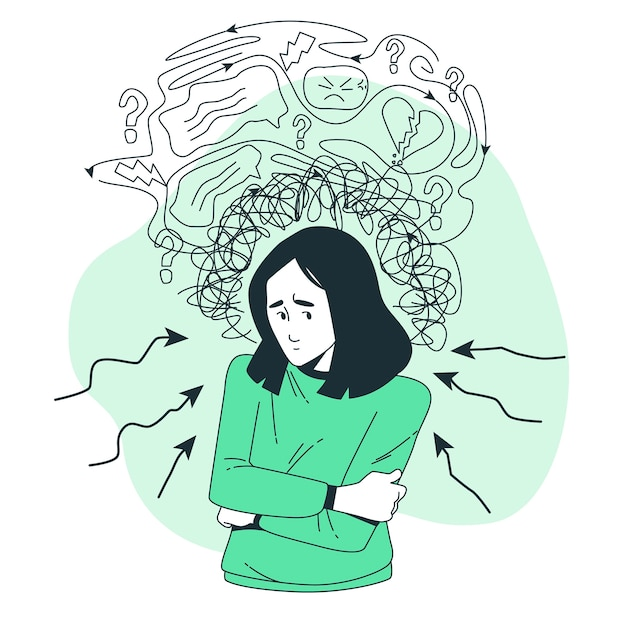
Everyone feels anxious sometimes. An anxiety disorder is different: NIMH explains that the fear or worry does not go away, can get worse over time, and gets in the way of work, school and relationships. The most common forms are generalized anxiety disorder, panic disorder and social anxiety disorder. Symptoms can include:
- Worry that is hard to switch off, often about several things at once
- Feeling restless, keyed up or on edge
- Tiring easily and having trouble concentrating
- Irritability, muscle tension, headaches or stomach upset
- Difficulty falling or staying asleep
- Intense fear of being judged or embarrassed in social situations
- Avoiding places, people or activities because of the anxiety they trigger
Anxiety often travels with depression. If low mood is also part of the picture, see our page on depression treatment.
Panic attacks and panic disorder
A panic attack is a sudden surge of fear that peaks within minutes. According to NIMH, it can bring a pounding heart, sweating, trembling, shortness of breath, chest pain, and a feeling of doom or of losing control. Many people's first attack sends them to an emergency room convinced it is a heart attack.
Panic disorder is diagnosed when attacks keep happening unexpectedly and you begin to fear the next one — avoiding driving on the Palisades, crowded stores or anywhere escape feels hard. The good news is that panic disorder responds well to treatment. Cognitive behavioral therapy teaches you to recognize the physical sensations and stop the fear-of-fear cycle, and antidepressant medication lowers how often attacks happen.
Because panic symptoms overlap with heart, lung and thyroid problems, we make sure a medical cause has been ruled out — usually through your primary-care doctor or a recent emergency visit — before treating the attacks as panic disorder. Once that is settled, knowing that the racing heart is anxiety rather than danger is itself the first step in treatment. Some people with panic also develop agoraphobia, gradually shrinking the places they feel safe going; therapy addresses this directly with small, planned steps back into those places.
Anxiety treatment in New City, NY starts with an evaluation
Your first appointment is a 45-to-60-minute psychiatric evaluation. We ask what triggers your anxiety, how often panic attacks happen, what you avoid, and how you have coped so far. We use short rating scales such as the GAD-7 to measure severity and track progress.
We also screen for physical contributors — overactive thyroid, heavy caffeine use, certain decongestants or asthma inhalers, and alcohol — and for conditions that can look like anxiety, including OCD, ADHD and trauma-related disorders.
Anxiety medication: what a psychiatrist near you may prescribe
If you are searching for an anxiety medication psychiatrist near you, it helps to know the main options and how they differ. NIMH and the American Psychiatric Association describe these as the usual choices:
- SSRIs (for example sertraline, escitalopram) — usually the first-line medication for generalized anxiety, panic and social anxiety. They take several weeks to work and are taken daily.
- SNRIs (for example venlafaxine, duloxetine) — another first-line option, especially if pain or low energy are also present.
- Buspirone — a non-habit-forming medicine used for generalized anxiety, alone or added to an SSRI.
- Benzodiazepines (for example lorazepam, clonazepam) — they work fast, but the FDA requires a boxed warning about misuse, dependence and withdrawal. We use them rarely, at the lowest dose, for short periods, and usually only while a long-term medication takes effect.
Some patients also benefit from hydroxyzine or propranolol for specific situations. Every prescription comes with ongoing medication management so doses are adjusted and side effects are caught early.
Therapy and other treatment options
Cognitive behavioral therapy (CBT), including gradual exposure to feared situations, is the most studied talk therapy for anxiety. Our therapists see patients in New City and Middletown, and many people do a mix of in-person and video sessions.
When anxiety comes with major depression, TMS may be an option: in 2021 the FDA cleared TMS to reduce anxiety symptoms in adults with depression (sometimes called anxious depression). TMS is not FDA-cleared for anxiety disorders on their own, and we will tell you plainly if it is not a fit. Learn more about TMS for anxious depression.
What helps between appointments
Treatment works best when the skills you learn in sessions get practiced in everyday life. Alongside therapy and medication, NIMH points to habits that can ease anxiety symptoms: regular physical activity, a consistent sleep schedule, and cutting back on caffeine, which can trigger or worsen panic-like sensations in some people. Alcohol may calm nerves in the moment but tends to make anxiety and sleep worse the next day.
Your therapist may give you short exercises — slow breathing, writing down worries at a set time, or a planned step toward something you have been avoiding. If anxiety spikes between visits, call the office rather than waiting; a brief check-in or an earlier video appointment is often possible. Our clinicians speak English, Punjabi, Hindi, Urdu, Gujarati and French, and you can meet them on our team page or check insurance we accept.
Your first 8–12 weeks of anxiety care
- First visit: evaluation, GAD-7 baseline, and an agreed plan — therapy, medication, or both.
- Weeks 1–4: weekly therapy begins; if a medication was started, a follow-up at two to four weeks checks side effects and dose.
- Weeks 4–8: you practice skills between sessions and start facing avoided situations in small steps. Medication doses are adjusted based on your scores.
- Weeks 8–12: we review progress together. If you have improved, visits space out; if not, we change the medication, adjust therapy, or look again at the diagnosis.
Available at both offices and by telehealth
Video follow-up visits are available anywhere in New York State.
New City office (Rockland County)
Healing Mindz by Dr. Singh216 Congers Road, Suite 302
New City, NY 10956
(845) 480-6678
- Psychiatric evaluations
- Medication management
- Therapy
- TMS therapy (all TMS treatment is delivered here)
- Telehealth follow-ups
Middletown office (Orange County)
Healing Mindz by Dr. Singh60 Prospect Ave, Third Floor
Middletown, NY 10940
(845) 480-6678
- Psychiatric evaluations
- Medication management
- Therapy
- TMS consultations (treatment takes place in New City)
- Telehealth follow-ups
Insurance accepted
We are in-network with most major plans, including Aetna, Cigna, UnitedHealthcare / Optum, Empire BlueCross BlueShield, MVP Health Care, and Medicare. We check your benefits before your first visit so you know what to expect.
See every plan we accept →Frequently asked questions
What is the best medication for anxiety?
There is no single best one. SSRIs and SNRIs are usually tried first because they treat anxiety long-term without dependence. Buspirone is another option. The right choice depends on your symptoms, other conditions and past experience with medication.
Will you prescribe Xanax or other benzodiazepines?
Sometimes, but sparingly. Benzodiazepines carry an FDA boxed warning for misuse, dependence and withdrawal, so we use them only short-term, at low doses, and alongside a longer-term plan. We do not start them at a first visit by default.
Can panic attacks be cured?
Panic disorder is very treatable. Many people have far fewer or no attacks after cognitive behavioral therapy, medication, or both. We aim for lasting control rather than just getting through the next attack.
Do I need therapy, medication, or both?
For mild anxiety, therapy alone is often enough. For moderate or severe anxiety, or panic disorder, combining CBT with an SSRI or SNRI is common. We help you weigh the options.
Can anxiety follow-ups be done by video?
Yes. After your first evaluation, most follow-ups and many therapy sessions can be done by secure video for patients in New York State.
Sources
- National Institute of Mental Health — Anxiety Disorders
- National Institute of Mental Health — Panic Disorder: When Fear Overwhelms
- National Institute of Mental Health — Mental Health Medications
- U.S. FDA — Boxed warning updated for benzodiazepine drug class
This page is general information, not medical advice. If you are in crisis, call or text 988 or call 911.
Ready to talk to a psychiatrist?
New patients are welcome at both offices, and appointments are often available within the week.