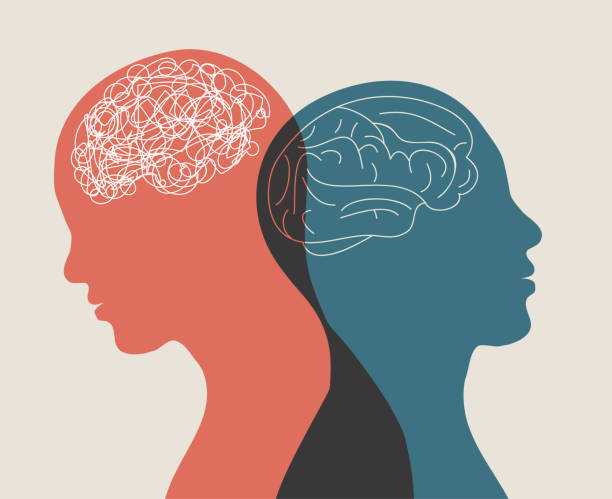
If you are looking for a bipolar psychiatrist in Rockland County, there is a good chance you or someone close to you has been through a frustrating cycle: depression, an antidepressant, a stretch that felt better or strangely "too good," then a crash, or irritability and sleeplessness that nobody connected to the medication. This article explains why that happens and why treating bipolar depression is different from treating ordinary depression.
Depression is often the main face of bipolar disorder
Bipolar disorder is defined by episodes of mania or hypomania, but many people with bipolar disorder spend far more time depressed than elevated. The National Institute of Mental Health describes bipolar disorder as including periods of unusually elevated or irritable mood and energy as well as depressive episodes, and in bipolar II disorder the highs are hypomanic, meaning milder and often not experienced as a problem at all.
That creates a diagnostic trap. When someone with undiagnosed bipolar disorder sees a doctor, it is almost always during a depression, because that is when they feel unwell. Hypomania may feel like "finally being productive," so it rarely gets mentioned unless someone asks specifically. As a result, bipolar depression is commonly treated as unipolar major depression at first.
Why antidepressants alone can backfire
NIMH notes that people with bipolar disorder who take an antidepressant may be at risk of switching into mania or hypomania, which is why antidepressants, when used in bipolar disorder, are usually combined with a mood stabilizer or antipsychotic rather than given alone. Other concerns raised in the clinical literature include more frequent mood episodes over time and mixed states, where depression and agitated energy happen together. Mixed states can be especially distressing and are a safety concern.
This does not mean antidepressants are never used in bipolar disorder. It means they are used carefully, usually alongside a medication that protects against mood elevation, and with close follow-up. If you have bipolar disorder or suspect it, our bipolar treatment page explains how we evaluate and treat it, and you can request an appointment there.
Clues that depression may be bipolar
No single feature proves bipolar disorder, and many people with these features have unipolar depression. But psychiatrists look for patterns. The table below summarizes common clues that prompt a closer look.
| Feature | More typical of unipolar depression | Raises the question of bipolar depression |
|---|---|---|
| Past mood "highs" | No periods of unusually elevated energy or reduced need for sleep | Past days of high energy, fast thoughts, less sleep without fatigue, or uncharacteristic risk-taking |
| Family history | Depression or anxiety in relatives | A parent, sibling or child with bipolar disorder |
| Age at first episode | Can begin at any age, often adulthood | Often begins in the teens or early twenties |
| Response to antidepressants | Gradual improvement, or no improvement | Rapid "too good" response, agitation, irritability, or worsening |
| Pattern of episodes | Fewer, longer episodes | Many recurrent episodes, sometimes abrupt in onset and offset |
| Postpartum onset | Possible | A severe postpartum mood episode, especially with psychotic features, raises concern |
If several items in the right-hand column sound familiar, mention them at your appointment. Bringing a family member who knew you during past episodes can help too, since people often remember their own hypomania differently than others do.
How a psychiatrist evaluates possible bipolar disorder
A careful psychiatric evaluation for possible bipolar disorder goes beyond current symptoms. Expect detailed questions about sleep patterns over the years, spending, relationships, work changes and any periods when friends commented that you seemed "different." Your psychiatrist may use a screening questionnaire, review past medication responses, and check for medical causes such as thyroid problems or the effects of other medications and substances.
Sometimes the honest answer after a first visit is "possibly bipolar, still clarifying." That is a reasonable place to be. Tracking mood and sleep daily for a few weeks often clarifies the picture, and a simple paper chart or phone note is enough. Getting the diagnosis right matters more than getting it fast, because it shapes years of treatment decisions.
What treatment for bipolar depression looks like
Treatment is individualized, but it usually rests on a mood-stabilizing foundation. Options a psychiatrist may discuss include:
- Mood stabilizers such as lithium or lamotrigine, which the American Psychiatric Association lists among standard treatments for bipolar disorder.
- Certain atypical antipsychotics, several of which are FDA-approved specifically for bipolar depression.
- Psychotherapy, including approaches that focus on regular routines, sleep and early warning signs.
- Lifestyle anchors: consistent sleep and wake times, limiting alcohol, and a written plan for what to do if early symptoms appear.
Some of these medications require monitoring, such as blood tests for lithium levels and kidney and thyroid function. This is part of why ongoing medication management matters more in bipolar disorder than in many other conditions.
If you are already on an antidepressant and wonder whether you have bipolar disorder, do not stop it suddenly on your own. Talk to your prescriber so any change can be planned safely.
Bipolar disorder and other conditions
Bipolar disorder often appears alongside anxiety, ADHD, and trauma-related symptoms, and these can blur the diagnosis. Racing thoughts can look like anxiety; distractibility can look like ADHD. A psychiatrist sorts out which symptoms belong to which condition so that, for example, an ADHD medication is not started during an unrecognized hypomanic phase. Our pages on anxiety treatment and ADHD evaluation cover those conditions in more detail.
Working with a bipolar psychiatrist in Rockland County
Our New City office at 216 Congers Road serves patients across Rockland County, including Nanuet, Pearl River, Congers, Spring Valley and Haverstraw. Patients in Orange County can be seen at our Middletown office, and follow-up visits can be done by telehealth anywhere in New York State. Evening hours on Monday and Tuesday and Saturday mornings help with consistent follow-up, which is one of the most protective things in bipolar care. Directions and hours are on our New City office page.
Bipolar care tends to work best as a long-term relationship rather than a series of one-off visits. Over time, your psychiatrist learns your personal early warning signs, such as a change in sleep, a burst of new projects or a sudden loss of interest, and can help you act on them before a full episode develops. Many patients find it helpful to involve a spouse, parent or close friend, with permission, since the people around you often notice shifts first. Together you can write down a simple plan: who to call, which medication changes have been agreed in advance, and what situations mean it is time to seek urgent help.
Consistency matters as much as any single medication. Taking medication as prescribed, keeping lab appointments, protecting sleep and limiting alcohol are not glamorous, but NIMH describes bipolar disorder as a lifelong condition that is managed with ongoing treatment, and these habits are what ongoing treatment looks like day to day.
If you notice warning signs of mania, such as several nights of very little sleep with high energy, or if you are having thoughts of suicide, contact your clinician promptly, call or text 988, or call 911 in an emergency.